Funeral poems
After the Supper and Talk
Reading this poem at a funeral?
Create a farewell website for all the funeral details, RSVPs, flowers, donations and tributes in one place.
Free. No card needed.
After the supper and talk--after the day is done, As a friend from friends his final withdrawal prolonging, Good-bye and Good-bye with emotional lips repeating, (So hard for his hand to release those hands--no more will they meet, No more for communion of sorrow and joy, of old and young, A far-stretching journey awaits him, to return no more,) Shunning, postponing severance--seeking to ward off the last word ever so little, E’en at the exit-door turning--charges superfluous calling back-- e’en as he descends the steps, Something to eke out a minute additional--shadows of nightfall deepening, Farewells, messages lessening--dimmer the forthgoer’s visage and form, Soon to be lost for aye in the darkness--loth, O so loth to depart! Garrulous to the very last.
First published in 1888
Public domain in the UK and the US
Reading this poem at a funeral?
Create a farewell website for all the funeral details, RSVPs, flowers, donations and tributes in one place.
Free. No card needed.
What it means
A guest stands at the door after a long evening and cannot make himself go: one more handshake, one more thing he forgot to say, another word called back from the bottom step, while it gets darker and he gets harder to see. The guest is a person dying, and the evening nobody will let end is their life.
Who's it for
someone who was always the last to leave. Right for a family who sat up with them night after night and still did not want it to finish.
Where it came from
The last poem in Sands at Seventy, the group of late pieces Whitman published in November Boughs in 1888. He was sixty-nine, mostly housebound in Camden, New Jersey, and fifteen years past the stroke that ended his working life in Washington.
About Walt Whitman
American · 1819 to 1892
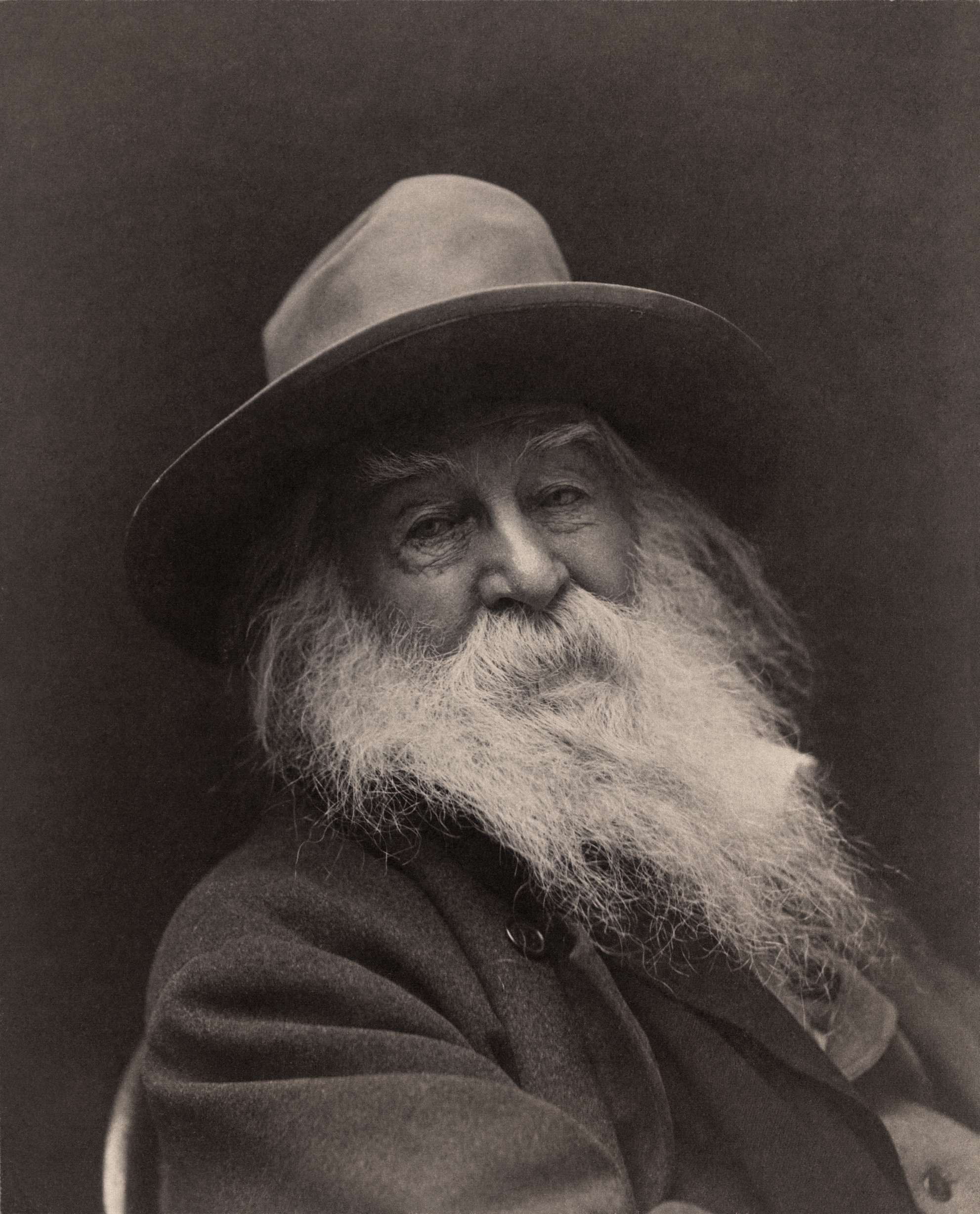
Portrait by George Collins Cox, restoration by Adam Cuerden. Public domain.
Walt Whitman was an American poet from Long Island who left school at eleven and worked as a printer, a schoolteacher and a newspaperman before he published anything. He spent the Civil War nursing wounded soldiers in the army hospitals in Washington. For the rest of his life he rewrote one book, Leaves of Grass, from 1855 until the year he died.
More from Walt Whitman
19 in all
More unusual poems
84 in all
More emotional poems
92 in all
Reading this poem at a funeral?
Create a farewell website for all the funeral details, RSVPs, flowers, donations and tributes in one place.
Free. No card needed.