Funeral poems
Darest Thou Now O Soul
Reading this poem at a funeral?
Create a farewell website for all the funeral details, RSVPs, flowers, donations and tributes in one place.
Free. No card needed.
Darest thou now O soul, Walk out with me toward the unknown region, Where neither ground is for the feet nor any path to follow? No map there, nor guide, Nor voice sounding, nor touch of human hand, Nor face with blooming flesh, nor lips, nor eyes, are in that land. I know it not O soul, Nor dost thou, all is a blank before us, All waits undream’d of in that region, that inaccessible land. Till when the ties loosen, All but the ties eternal, Time and Space, Nor darkness, gravitation, sense, nor any bounds bounding us. Then we burst forth, we float, In Time and Space O soul, prepared for them, Equal, equipt at last, (O joy! O fruit of all!) them to fulfil O soul.
First published in 1871
Public domain in the UK and the US
Reading this poem at a funeral?
Create a farewell website for all the funeral details, RSVPs, flowers, donations and tributes in one place.
Free. No card needed.
What it means
He asks his own soul whether it is brave enough to walk out with him into death. He will not pretend to know what is there: no map, no guide, no human face, nothing he can picture. Then he says that when the body finally lets the two of them go, they come out of it floating, and properly equipped for the first time.
Who's it for
someone who faced the end honestly and would have hated anybody pretending to know more than they did. Right for a family who want courage said out loud rather than certainty.
Where it came from
Whitman put it at the head of a group he called Whispers of Heavenly Death in the 1871 Leaves of Grass. He had spent the Civil War years nursing wounded soldiers in the Washington hospitals, and came out of that writing about dying rather than about battle.
About Walt Whitman
American · 1819 to 1892
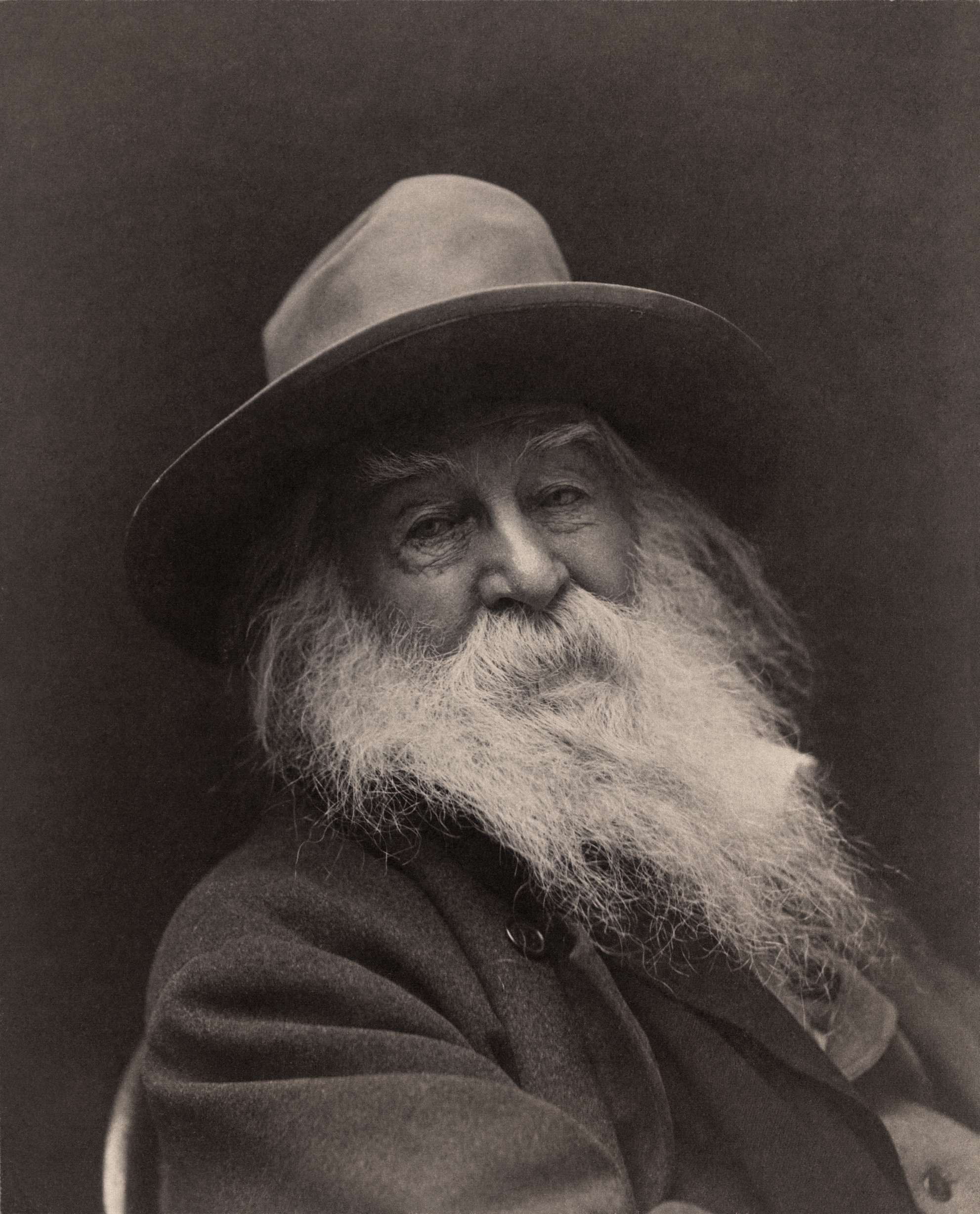
Portrait by George Collins Cox, restoration by Adam Cuerden. Public domain.
Walt Whitman was an American poet from Long Island who left school at eleven and worked as a printer, a schoolteacher and a newspaperman before he published anything. He spent the Civil War nursing wounded soldiers in the army hospitals in Washington. For the rest of his life he rewrote one book, Leaves of Grass, from 1855 until the year he died.
More from Walt Whitman
19 in all
More stoic poems
58 in all
More uplifting poems
75 in all
Reading this poem at a funeral?
Create a farewell website for all the funeral details, RSVPs, flowers, donations and tributes in one place.
Free. No card needed.