Funeral poems
Continuities
Reading this poem at a funeral?
Create a farewell website for all the funeral details, RSVPs, flowers, donations and tributes in one place.
Free. No card needed.
Nothing is ever really lost, or can be lost, No birth, identity, form--no object of the world. Nor life, nor force, nor any visible thing; Appearance must not foil, nor shifted sphere confuse thy brain. Ample are time and space--ample the fields of Nature. The body, sluggish, aged, cold--the embers left from earlier fires, The light in the eye grown dim, shall duly flame again; The sun now low in the west rises for mornings and for noons continual; To frozen clods ever the spring’s invisible law returns, With grass and flowers and summer fruits and corn.
First published in 1888
Public domain in the UK and the US
Reading this poem at a funeral?
Create a farewell website for all the funeral details, RSVPs, flowers, donations and tributes in one place.
Free. No card needed.
What it means
His claim is flat: nothing that exists can be destroyed, only put out of sight. So an old cold body and an eye gone dim are a fire banked down rather than a fire out. He backs it with the two things nobody argues with, which are that the sun that has just gone down will come up, and that frozen ground comes back as grass and corn.
Who's it for
almost any funeral, and especially a family who want comfort with no religion attached to it. Right for someone who worked outdoors or grew things.
Where it came from
One of the late poems Whitman gathered as Sands at Seventy and published in November Boughs in 1888, when he was sixty-nine and mostly housebound in Camden, New Jersey. Funeral readings and orders of service often carry it as Nothing Is Ever Really Lost, which is how it begins; Whitman called it Continuities.
About Walt Whitman
American · 1819 to 1892
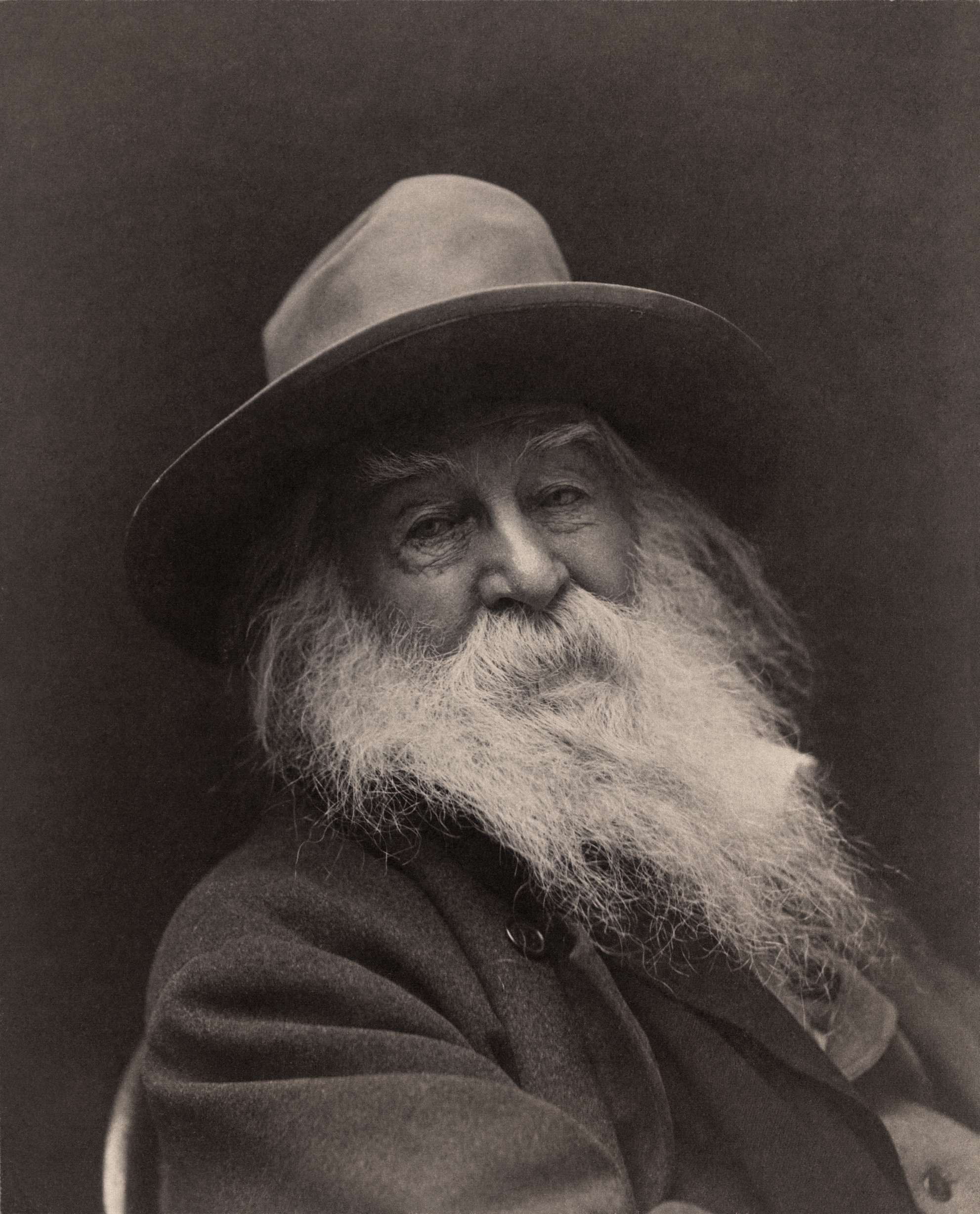
Portrait by George Collins Cox, restoration by Adam Cuerden. Public domain.
Walt Whitman was an American poet from Long Island who left school at eleven and worked as a printer, a schoolteacher and a newspaperman before he published anything. He spent the Civil War nursing wounded soldiers in the army hospitals in Washington. For the rest of his life he rewrote one book, Leaves of Grass, from 1855 until the year he died.
More from Walt Whitman
19 in all
More outdoorsy poems
54 in all
More non-religious poems
81 in all
Reading this poem at a funeral?
Create a farewell website for all the funeral details, RSVPs, flowers, donations and tributes in one place.
Free. No card needed.